01
One system, one team
Hardware, software and custom code from the same people, so when something doesn't work there's no argument about whose problem it is.
Tell us the models and the users. We return a configuration sheet and a quote.
Spec a system →Model serving, access control and monitoring on hardware you own.
See the platform →
Thirty minutes with an engineer: your workflow, your data, and whether custom AI fits.
Book a scoping call →
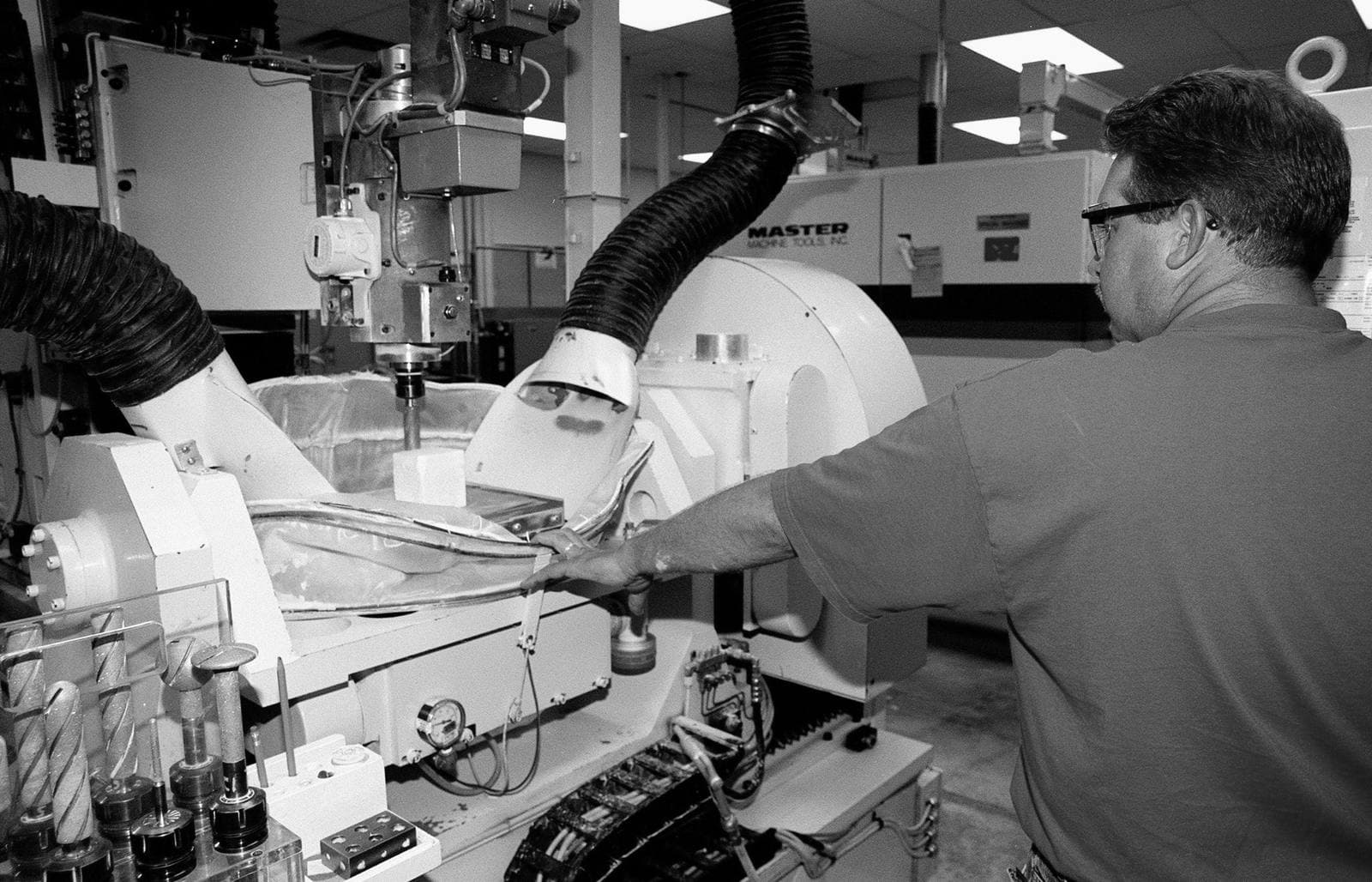
cstmAI builds custom AI the way a machine shop builds a fixture: to a drawing, for one job, tested before it leaves the bench. We specify the hardware, ship the software on it, and write the code on top.
Organizations that want AI on their own terms usually end up assembling it from parts: a server from one vendor, a model from another, open-source serving software, a consultant for the application, and nobody responsible for the whole. The system that passes the demo isn't always the one that passes the security review.
cstmAI closes that gap. One team specifies the hardware, installs and tests the software stack on it, builds the agents and applications your work needs, and hands it all over documented. You get one contract, one point of contact and one system that works as a whole.
cstmAI is a brand of Nead, LLC, which also operates LLM.co and DEV.co.
Hardware, software and custom code from the same people, so when something doesn't work there's no argument about whose problem it is.
Every model choice and every change is scored against your own examples. We show the numbers, including the unflattering ones.
We spec from multiple vendors and write down why each part was chosen. Nothing we deliver ties your next purchase to one manufacturer.
You own the hardware, and the code, prompts, evaluation sets and weights we create are delivered to you.
Every system and build is quoted from a written scope. No list prices, no per-seat surprises.
If your workload doesn't justify hardware yet, or a model isn't good enough for the job, we say so before you spend money.
Tell us the models you want to run, how many people will use them and where the hardware should live. An engineer replies with a first configuration and the questions that decide the quote.